Transforming Spaces: Fresh Ideas for Kitchen and Bathroom Remodeling Upgrades
Transforming a bathroom or kitchen from an dull space to a stylish retreat requires thoughtful planning and creativity. Homeowners commonly seek innovative solutions that enhance both aesthetics and functionality. This journey includes understanding personal goals, selecting sustainable materials, and incorporating up-to-date design trends. As the process progresses, it becomes apparent that the right choices can greatly impact the overall environment. What essential elements should be prioritized to achieve a successful remodel?
Why Home Remodeling Is Important: Enhancing Home Value and Comfort
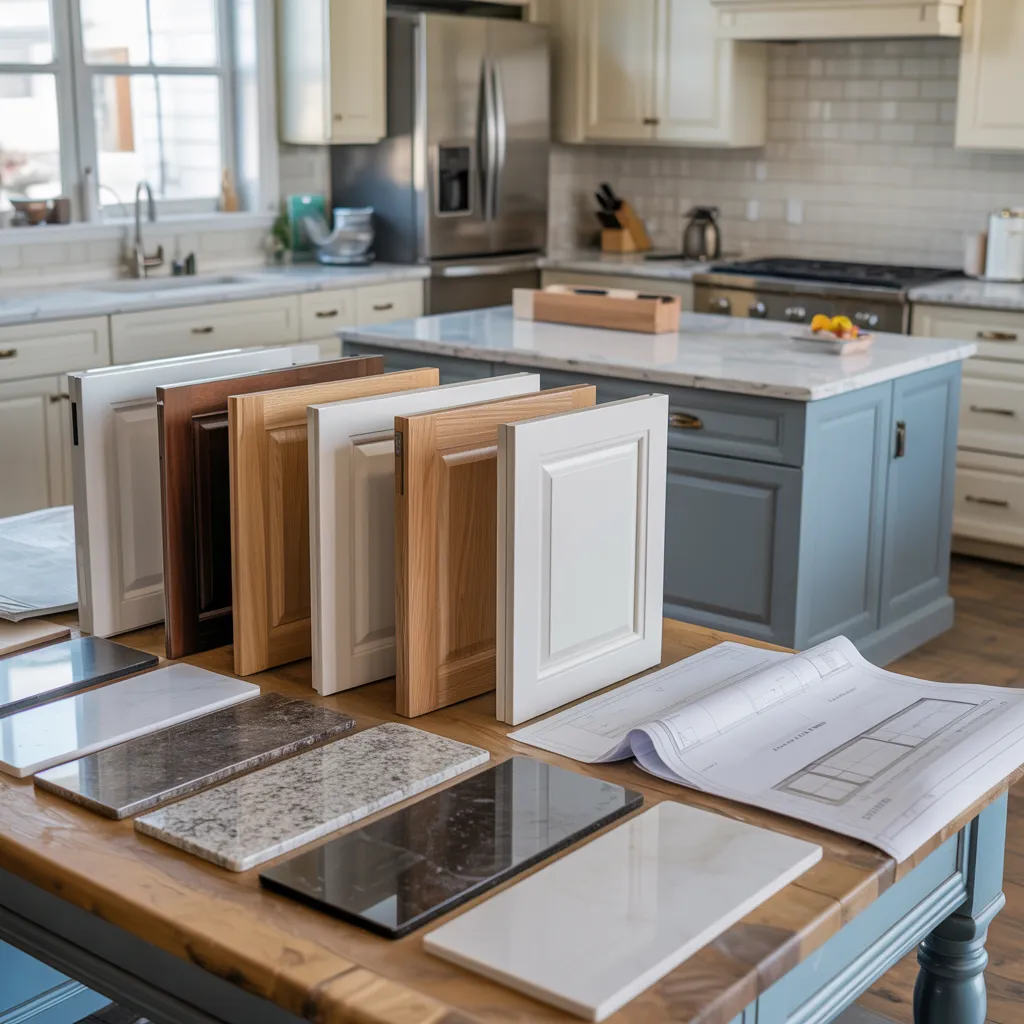
Remodeling a bathroom or kitchen can substantially enhance both the aesthetic appeal and functionality of a home. These spaces are often the hub of household activity, where families gather and guests are entertained. By replacing fixtures, cabinetry, and finishes, homeowners can create an inviting atmosphere that showcases their personal style while increasing usability.
Furthermore, modernizing these sections can considerably raise property value. Real estate professionals note that professionally done renovations in kitchens and bathrooms tend to deliver high returns on investment, making them enticing to potential buyers. Improved energy efficiency, accomplished through modern appliances or improved insulation, can also generate cost savings over time.
In the end, remodeling not only changes the appearance of a home but also improves the overall living experience, delivering comfort and convenience that align with contemporary lifestyles. Funding these renovations is often a strategic decision that pays dividends in both satisfaction and financial value.

How to Identify Your Remodeling Objectives?
Recognizing remodeling goals commences with defining priorities that match personal needs and lifestyle. Establishing a realistic budget is essential to guarantee that these goals can be effectively met without financial strain. Together, these steps set the stage for a successful and satisfying remodeling project.
Determine Your Objectives
Establishing well-defined priorities is essential for anyone embarking on a bathroom or kitchen remodel. Homeowners should initiate by examining their specific needs and desires, which may include increasing functionality, improving aesthetics, or increasing property value. Recognizing which elements are most important enables a focused approach to the project. For instance, some may give priority to innovative storage solutions, while others might look for luxury fixtures or energy-efficient appliances. Furthermore, considering the household's lifestyle is crucial; families may need sturdy materials, while individuals might choose modern designs. Ultimately, setting these priorities helps optimize decision-making and assures that the remodel aligns with both personal preferences and practical requirements, creating a successful renovation that achieves the homeowner's goals.
Create A Realistic Budget
Creating a realistic budget is vital for a successful remodeling project, as it serves as the foundation for all subsequent decisions. Homeowners must first evaluate their financial situation, determining how much they can comfortably allocate without jeopardizing their financial stability. It is essential to gather estimates from contractors and suppliers to comprehend the costs associated with materials, labor, and any unanticipated expenses. Setting a budget also requires prioritizing essential features versus optional upgrades, allowing homeowners to make educated choices. By clearly defining their remodeling goals and aligning them with their budget, homeowners can confirm that their projects remain on track and meet their expectations, ultimately transforming their spaces efficiently and effectively.
Creating a Realistic Remodeling Budget
During the planning of a bathroom or kitchen remodel, one of the most essential steps is setting a realistic budget that aligns with both expectations and financial means. It is essential for homeowners to conduct thorough research on the costs connected to materials, labor, and permits. Developing a clear budget supports prioritizing essential upgrades and separating between wants and needs.
Property owners should also think about allocating a contingency fund, typically around 10-20% of the total budget, to cover unexpected expenses that may come up during the remodeling process. Consulting with professionals can provide valuable insights regarding realistic costs and timelines, ensuring that the budget remains realistic.
Leading Design Tendencies for Kitchens and Bathrooms
In contemporary kitchen and bathroom design, several trends have achieved prominence among homeowners and designers alike. Sustainable materials and fixtures are progressively chosen for their environmental benefits, while open-plan layouts promote spaciousness and functionality. Furthermore, bold color palettes are establishing presence, adding character and energy to these important spaces.
Eco-Friendly Materials and Fixtures
As property owners continue to focus on sustainability, sustainable materials and fixtures have emerged as key trends in kitchen and bathroom renovation. Such innovations not only decrease environmental harm but also boost design appeal. Bamboo, reclaimed wood, and recycled glass represent favored options, supplying strength and unique appeal. Water-conserving fixtures, like low-flow taps and dual-flush toilets, are also gaining traction, aiding in resource preservation while ensuring functionality. In addition, energy-saving appliances add to environmental initiatives. Using natural stone and eco-friendly finishes can reduce toxic substances, fostering a healthier home atmosphere. By adopting these sustainable solutions, homeowners build spaces that showcase their environmental consciousness while appreciating attractive and practical designs that remain timeless.
Open Floor Plan Layouts
Open layout designs have gained widespread appeal in both kitchen and bathroom remodeling, reflecting a desire for more spacious and interconnected living environments. These designs emphasize a seamless flow between spaces, improving natural light and creating a welcoming atmosphere. In kitchens, the taking down learn more of walls can enable interaction between family members and guests, making cooking and entertaining more delightful. In bathrooms, open layouts can integrate components like freestanding tubs and walk-in showers, enhancing luxury and comfort. Furthermore, combining these areas with adjoining living spaces can erase barriers, fostering a cohesive aesthetic. Homeowners are increasingly interested in this trend for its ability to optimize functionality while maintaining an airy, contemporary feel in their homes.
Vibrant Color Selections
Dynamic color palettes have appeared as a striking trend in kitchen and bathroom remodeling, enabling homeowners to display their personality and style. This design approach embraces bold hues, such as deep blues, rich greens, and fiery reds, transforming these spaces into energetic focal points. Accent walls, colorful cabinetry, and eye-catching backsplashes are preferred methods for introducing these vivid tones. Homeowners often mix contrasting shades to create visual interest, elevating the overall aesthetic. Moreover, vivid colors can be balanced with neutral elements, guaranteeing the spaces remain inviting and functional. As this trend continues to advance, many are finding imaginative ways to integrate color through fixtures, tiles, and decor, ultimately transforming traditional views on kitchen and bathroom design.
Effective Storage Solutions: Enhancing Space Utilization
Although numerous property owners struggle with space constraints in their cooking and bathing spaces, creative smart storage solutions can transform these spaces into extremely practical environments. Making use of vertical space remains critical; tall cabinets and shelves can house items off countertops while being easily accessible. Dual-purpose furniture, such as benches with hidden compartments or storage ottomans, provides additional utility without consuming extra space.
Incorporating pull-out shelves and drawer dividers in cabinets increases organization and allows for better use of deep spaces. Magnetic strips can hold utensils or tools on walls, freeing up drawer space, while tiered shelving units optimize countertop efficiency.
Additionally, utilizing under-sink storage areas with stacking containers or pull-out baskets aids in keep cleaning supplies neat and tidy. By applying these clever storage solutions, homeowners can develop a more effective and beautiful space, making daily tasks more straightforward and more satisfying.
Which Fixtures Do You Need to Upgrade First?
Upgrading fixtures in a bath or kitchen can dramatically increase both practicality and visual appeal. When starting a remodeling project, establishing which fixtures to upgrade first is critical. In the restroom, the faucet and shower head often act as focal points; replacing these can substantially elevate the space's look and feel. Moreover, upgrading lighting fixtures can alter the ambiance, making it more welcoming and luminous.
In the kitchen, commencing with the sink and faucet is suggested, as they are crucial for daily tasks. A stylish sink can transform into a centerpiece, while a high-quality faucet can elevate both convenience and design. After tackling these key areas, homeowners may consider upgrading cabinet hardware and lighting, as these elements can improve the overall appeal without necessitating extensive renovations. By thoughtfully selecting which fixtures to update first, one can effectively create a more functional and visually appealing environment in both spaces.
Choosing Sustainable Options: How to Choose Eco-Friendly Materials
When seeking eco-friendly kitchen and bathroom renovations, choosing sustainable materials is crucial. Options such as bamboo, reclaimed wood, and recycled glass not only reduce environmental impact but also boost aesthetic appeal. In addition, integrating energy-efficient fixtures and sustainable design elements can further contribute to a greener home.
Environmentally Responsible Construction Material Options
Opting for eco-friendly materials for bathroom and kitchen remodeling can significantly impact both the environment and the home's aesthetics. Eco-conscious choices include reclaimed wood, which offers unique character while reducing deforestation, and bamboo, known for its rapid growth and renewability. Recycled glass tiles not only elevate visual appeal but also reduce waste. For countertops, materials like recycled concrete and natural stone are durable and environmentally friendly. Furthermore, low-VOC (volatile organic compounds) paints and finishes boost indoor air quality. Utilizing these sustainable materials not only contributes to a healthier planet but also creates attractive, modern spaces. Homeowners can reach a balance between functionality and eco-consciousness, making certain their remodeling projects reflect both personal taste and environmental responsibility.
Power-Saving Fixtures
Many energy-efficient fixtures can significantly improve both the functionality and sustainability of kitchen and bath environments. These fixtures, including low-flow faucets, energy-saving lighting, and high-efficiency appliances, minimize water and energy consumption without sacrificing performance. For instance, low-flow showerheads can preserve gallons of water per month, while LED lighting supplies bright illumination with minimal energy use. Additionally, Energy Star-rated appliances are designed to operate efficiently, moreover lowering utility bills. By opting for these fixtures, homeowners aid in environmental conservation and potentially increase their property value. Overall, integrating energy-efficient options is a practical approach to modernizing spaces while promoting eco-friendly living, making them a smart selection for any remodeling project.
Reclaimed Design Components
When many home residents want to upgrade their spaces, incorporating recycled design elements can significantly improve both aesthetics and sustainability. Recycled materials, such as reclaimed wood, recycled glass, and repurposed metals, not only lower environmental impact but also add exceptional character to kitchens and bathrooms. For instance, salvaged barn wood can create striking cabinetry, while recycled tiles can serve as eye-catching backsplashes. Eco-friendly decisions extend beyond materials; using low-VOC paints and finishes further promotes a healthier indoor environment. These eco-friendly options demonstrate that design and sustainability can complement each other perfectly. By carefully integrating recycled elements, homeowners can achieve sophisticated remodels that reflect their commitment to the environment, making their spaces not only stunning but also responsible.
Transforming Lighting: Elevate Ambiance and Functionality
Lighting stands as an essential element in bathroom and kitchen renovations, affecting both the aesthetic appeal and functionality of these spaces. In kitchens, layered lighting strategies—integrating ambient, task, and accent lights—create a well-lit environment for meal preparation and dining. Hanging lights over islands and under-cabinet lighting increase visibility while introducing visual interest.
In bathroom areas, the arrangement of fixtures is vital for both aesthetics and functionality. Wall sconces positioned alongside mirrors provide attractive illumination, while recessed lighting provides a clean, modern touch. Dimmer switches can adjust brightness, enabling a relaxing atmosphere during relaxation or intense light for grooming activities.
Incorporating energy-efficient LED solutions not only lowers electricity costs but also provides longevity. Overall, careful lighting design converts kitchens and bathrooms into inviting, functional spaces, enhancing the overall remodeling experience without compromising practicality.
Tailoring Your Kitchen and Bathroom: Customization Options
To craft a truly personal touch in kitchen and bathroom remodeling, homeowners can investigate various customization ideas that express their unique tastes and lifestyles. One successful approach is to select personalized cabinetry, incorporating custom finishes or unique hardware that matches individual style. Homeowners may also contemplate custom countertops, selecting materials like quartz or reclaimed wood that provide character and warmth.
For bathroom areas, tailored vanities can transform the space, allowing for creative storage solutions and distinct sink styles. Moreover, incorporating custom tile designs or colors can convert a standard backsplash into a statement piece.
Light fittings give another possibility for individualization; selecting unique designs can elevate both function and style. Lastly, introducing individual elements through decorative pieces or art can additionally customize these important spaces, turning them not only useful but equally a authentic reflection of the resident's character.
Longevity Planning: Making Your Remodel Future-Ready
When homeowners embark on kitchen and bathroom renovations, it is essential to think about future-proofing strategies that confirm the spaces remain practical and stylish for years to come. One practical approach involves selecting timeless materials, such as natural stone or high-quality tiles, which withstand wear while maintaining aesthetic appeal. Additionally, incorporating universal design principles guarantees accessibility for all age groups, allowing for easy modifications in the future.
Homeowners should also consider installing flexible fixtures, including adjustable-height kitchen countertops and grab bars in bathrooms, to accommodate evolving needs. High-efficiency appliances and smart technology can enhance eco-friendliness and practicality, ensuring long-term savings. Furthermore, selecting neutral color palettes provides versatility, allowing easy updates with minimal effort. By concentrating on these adaptive elements, homeowners can create kitchens and bathrooms that satisfy both current demands but also adapt seamlessly to developing lifestyles, eventually enhancing the home's value and longevity.
Common Questions
Which Frequent Mistakes Should I Prevent During Remodeling Projects?
A common pitfall in remodeling projects is underestimating costs and project duration. Additionally, disregarding functionality, overlooking storage demands, and not planning for proper lighting can bring about unsatisfactory results and higher costs.
How Can I Locate Dependable Contractors for My Renovation Project?
To identify trustworthy contractors for a remodel, it's important to request recommendations from loved ones, examine online reviews, check credentials and insurance, and get detailed quotes prior to making a final decision. Comprehensive research is crucial.
What Permits Do I Need for Remodeling My Kitchen or Bathroom?
For kitchen or bathroom remodeling, one typically needs building permits, electrical permits, plumbing permits, and possibly demolition permits. Local codes vary by area, making it necessary to check with local authorities to ensure compliance with all requirements.
How Long Will a Standard Remodeling Project Last?
A typical remodeling remodeling job can take anywhere from a few weeks to several months, determined by the work involved, complexity, and the accessibility of materials and labor. Time frames may differ substantially between different projects.
Is Living in My Home During the Remodel an Option?
Yes, people can generally stay in their residences while a remodel is underway. That said, the amount of disruption varies depending on the project's size, with certain areas potentially becoming inaccessible or noisy, necessitating adjustments to daily routines.
Comments on “Best bathroom remodeling and kitchen remodeling Services Today”